Amantaní: the island that welcomes you as one of its own
- elizabethcarlotto
- Jun 12
- 3 min read
There are islands you visit and islands that adopt you. Amantaní is the second kind.

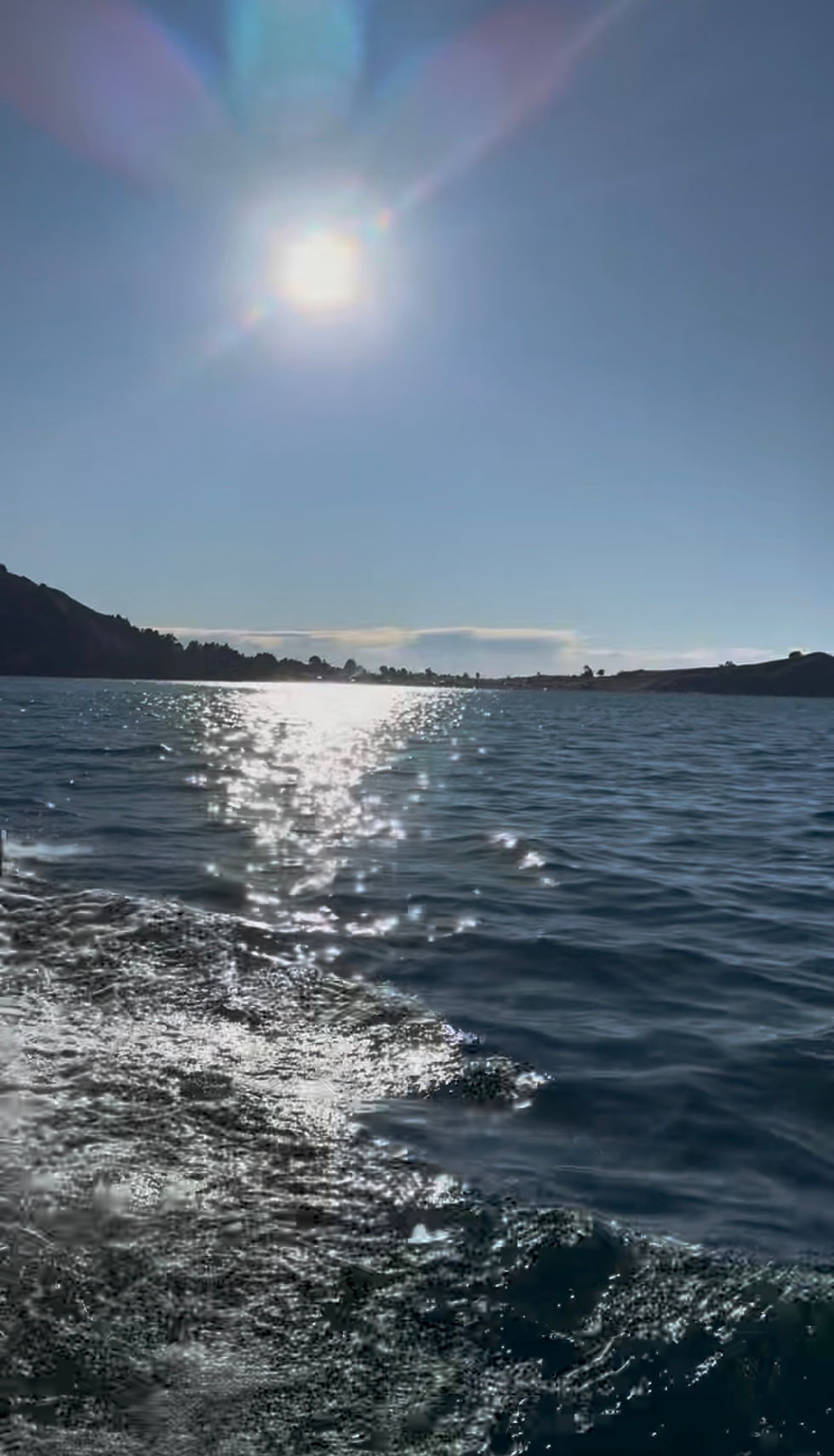
To get there, we left from Puno by car — about 1 hour and 15 minutes to Llachón, on the Capachica peninsula, one of those corners of Lake Titicaca that is already worth the journey on its own. From the Llachón dock, the boat crossing to Amantaní takes approximately 45 minutes. Every one of them is worth it. The lake opens up vast, in a deep blue that doesn't look real — that intense blue that only exists at this altitude, where the sky and the water blur into the same color. The altiplano light weighs on the water in that unique way that only exists at 3,800 meters, and the profiles of the islands appear slowly on the horizon, as if the lake were revealing them one by one, unhurried.
A family, a kitchen, a table
When you arrive, Amantaní doesn't greet you with hotels or tourist signs. A family greets you. That is the essence of the community-based tourism its inhabitants have practiced for decades — a way of sharing their world without losing it.
I stayed in a simple, warm little house. The kitchen smelled of quinoa and freshly fried trout. We ate together, with that quiet and genuine hospitality that needs no explanation because you feel it directly in your soul. On Amantaní, food is not just nourishment — it is an act of welcome.

The temples of Pachatata and Pachamama

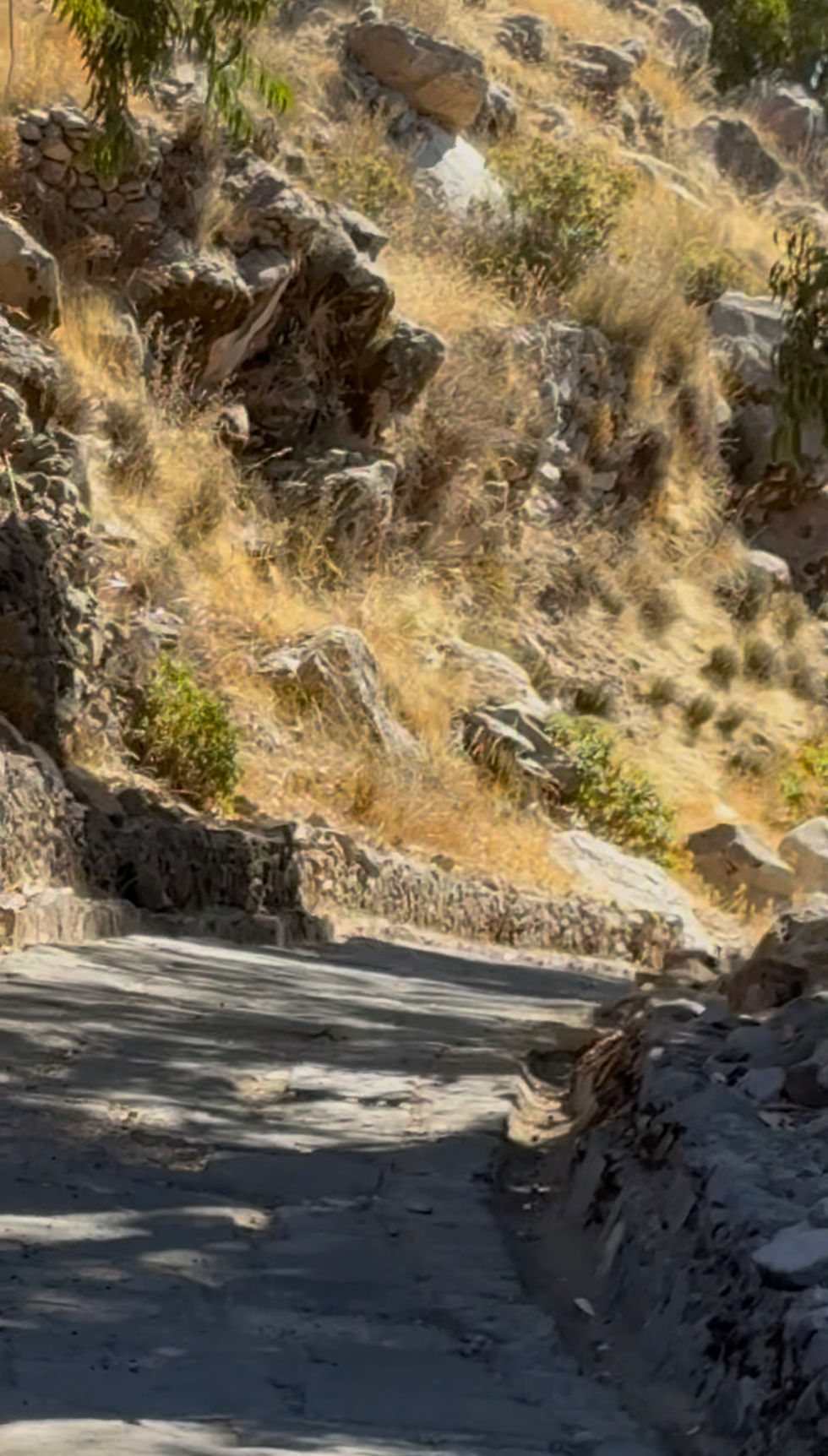
At the highest points of the island, standing apart like guardians at opposite ends, rise the temples of Pachatata — the father earth — and Pachamama — the mother earth. The climb toward them is an experience in itself. The paths are picturesque, lined with stone and Andean vegetation, with views that open over the lake as you ascend.


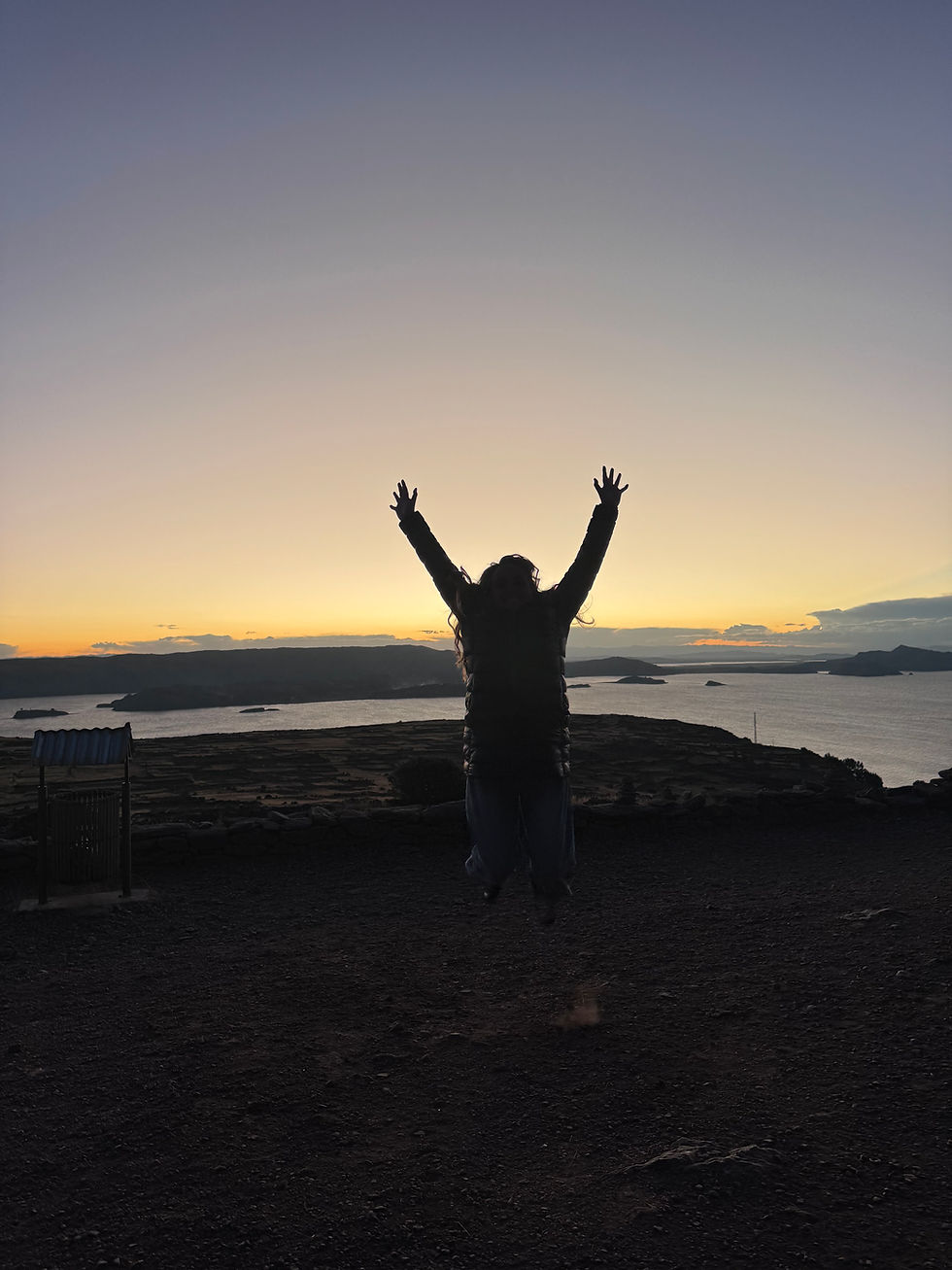
Reaching the temples at sunset is one of those moments that can't be planned but never leave you. The altiplano light at that hour turns everything gold — the water, the stones, the sky. And the silence that surrounds those sacred places has a particular density, as if time stops so you can simply be there.

What Amantaní teaches you
Amantaní is not a postcard destination. It is a destination of presence. Of slowing down, looking into the eyes of the people who welcome you, walking without hurry along paths that have been there for centuries, and understanding that there are ways of living that need no speed to be profound.
If you go to Lake Titicaca and don't reach Amantaní, you are missing an essential part of the lake.


How to get there
From Puno, the drive to Llachón in Capachica takes approximately 1 hour and 15 minutes. From the Llachón dock, the boat crossing to Amantaní takes approximately 45 minutes sailing across the deep blue of Lake Titicaca.

What you need to know
Bring cash — there are no ATMs on the island
Nights are cold — dress warmly
Community-based stays are arranged directly with Amantaní families or through local associations in Capachica
Best time to visit: April to October, dry season



Comments